Westside:
The Heart of the Atlanta
A neighborhood Dr. King would be proud of—a "Beloved Community"—is rooted in love, justice, and human dignity, where everyone is cared for, free from poverty, hunger, and hatred. It prioritizes affordable housing, economic opportunity, nonviolent conflict resolution, and diverse, inclusive spaces where systemic oppression is dismantled

Our Mission
Our mission is to give every neighbor a place to connect and grow. We work with you to celebrate our streets and help our kids succeed in every way.
A Neighborhood Story Built by You
“
Bestside ATL Hub is a special place for everyone in the Historic Westside and those who Celebrate the Westside. We are friends helping friends. We are so proud to keep our community heritage alive and our shared future bright.
”
Our Vision
We see a neighborhood where everyone is proud of where they live. We want a future where our history stays alive and our families stay strong for generations.
Westside Stories
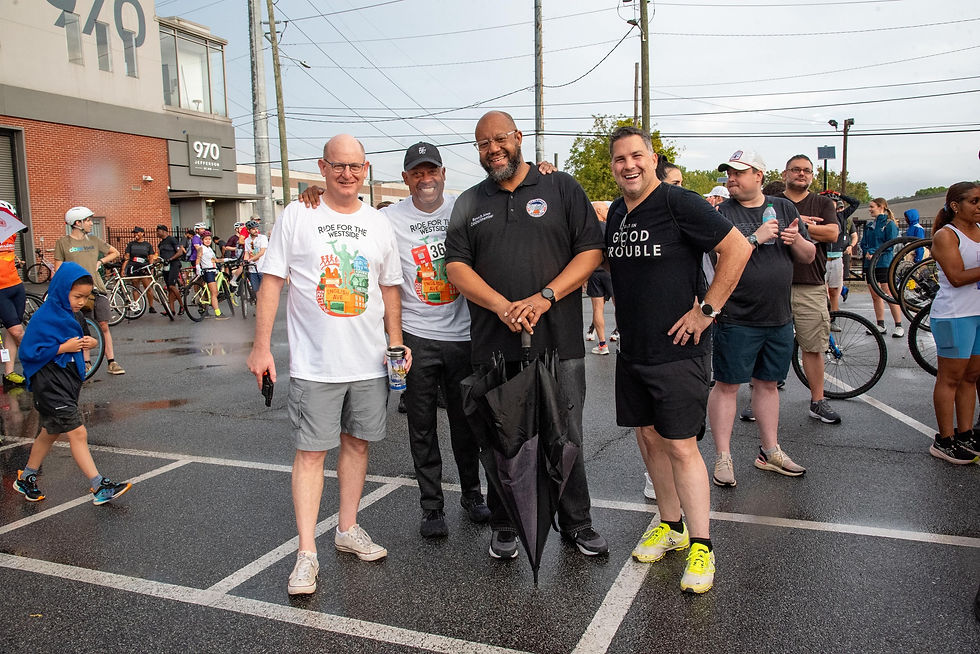
The Westside has a long and proud story. For many years, families built their homes and dreams on these very streets. It has always been a place where people look out for one another and help their neighbors grow. This is the place where famous leaders like Dr. Martin Luther King Jr. walked and talked about a better world for everyone.
Going through Home on the Westside wasn’t just about settling more permanent roots down on the Westside, it was also about making a home.
Our neighborhoods like English Avenue and Vine City have strong roots. They sit right next to the AUC schools, where many students learn to become future leaders. Even when times are hard, our resilience keeps us going. We are proud of where we fit in the story of Atlanta, and we want everyone to feel grounded in that pride.
Street Names, Neighborhood Stories
Every street name in our neighborhood has a special story to tell. These names help us remember the people and the history that made our home what it is today.
A beautiful street named for the golden sunsets that neighbors have watched from their porches for over a hundred years. It remains a peaceful heart of our historic district.. Home to the Dr. King Family Home.
Honoring the work of Joseph E. Boone, the late Reverend of Rush Memorial Congregational Church at the Atlanta University Center, this boulevard is a tribute to his activism for civil rights, economic justice, and empowering the community. Working on "Operation Breadbasket" with Rev. Dr. Martin Luther King Jr. and supporting the Atlanta Student Movement, Boone was committed to change for Atlanta. Much like Donald Lee Hollowell Parkway, the area’s revitalization through projects like affordable housing and parks are a glimpse of the future Joseph E. Boone was working toward.
Along with the lasting social effects that the Movement brought about, a more tangible legacy can be found near the West End of Atlanta, where Atlanta Student Movement Boulevard (formerly Fair Street) cuts through the campus of Clark Atlanta University. The street was named as such in a dedication ceremony on November 1, 2010, hosted by Kasim Reed, the Mayor of Atlanta
In 2001, Atlanta's City Council renamed Ashby Street to Joseph E. Lowery Boulevard to honor Lowery's pivotal contributions to the Civil Rights Movement, including his role as co-founder of the Southern Christian Leadership Conference (SCLC), a leading organization in the fight against segregation through nonviolent protest, and his leadership in the Montgomery Bus Boycott. The boulevard passes through historic Westside neighborhoods like Vine City and English Avenue—communities closely connected to Lowery's activism and legacy
A proud connection to the Atlanta University Center, named for a legendary educator who led Clark College for more than twenty years and inspired thousands of students.
Cameron Madison Alexander, a pastor who led Atlanta's Antioch Baptist Church North for over four decades, passed away at the age of 86. He became the church's pastor in 1969 after a chance visit led the congregation to offer him the position by write-in vote, and grew its membership from 600 to approximately 14,000. Beyond the pulpit, Alexander was a prominent civil rights and community leader, having helped integrate a bus system in Macon and partnered to revitalize 109 blocks of real estate in Savannah.
Donald Lee Hollowell was a pioneering civil rights attorney who reshaped Georgia's legal landscape, most notably by successfully integrating the University of Georgia in 1961 and providing crucial legal support to activists during the Atlanta sit-ins and the Albany Movement. In 1966, President Johnson appointed him as the first Black regional EEOC director for the Southeast, where he continued battling workplace discrimination. Today, Donald Lee Hollowell Parkway in Atlanta bears his name, and while the corridor suffered decades of disinvestment, revitalization efforts are now underway to honor the legacy of "Mr. Civil Rights."
Dr. Andrew J. Hairston was the longtime, esteemed minister of the Simpson Street Church of Christ in Atlanta, Georgia. He passed away in January 2025 after serving for over 50 years and was celebrated as Minister Emeritus
Dr. Thomas W. Cole, Jr., who oversaw the consolidation of the two higher learning institutions in the late 1980s that would become Clark Atlanta University.
Othello "Chico" Renfroe was a scrappy, versatile baseball player. In 1946 he represented the Kansas City Monarchs in the 1946 East-West All-Star game. He had the highest batting average in the World Series against the Newark Eagles, hitting .414 while playing at shortstop in all 7 games. After the Series he was a member of Satchel Paige's All-Star team that barnstormed across the country with Bob Feller's All- Stars. Leading into Washington Park.
English Avenue
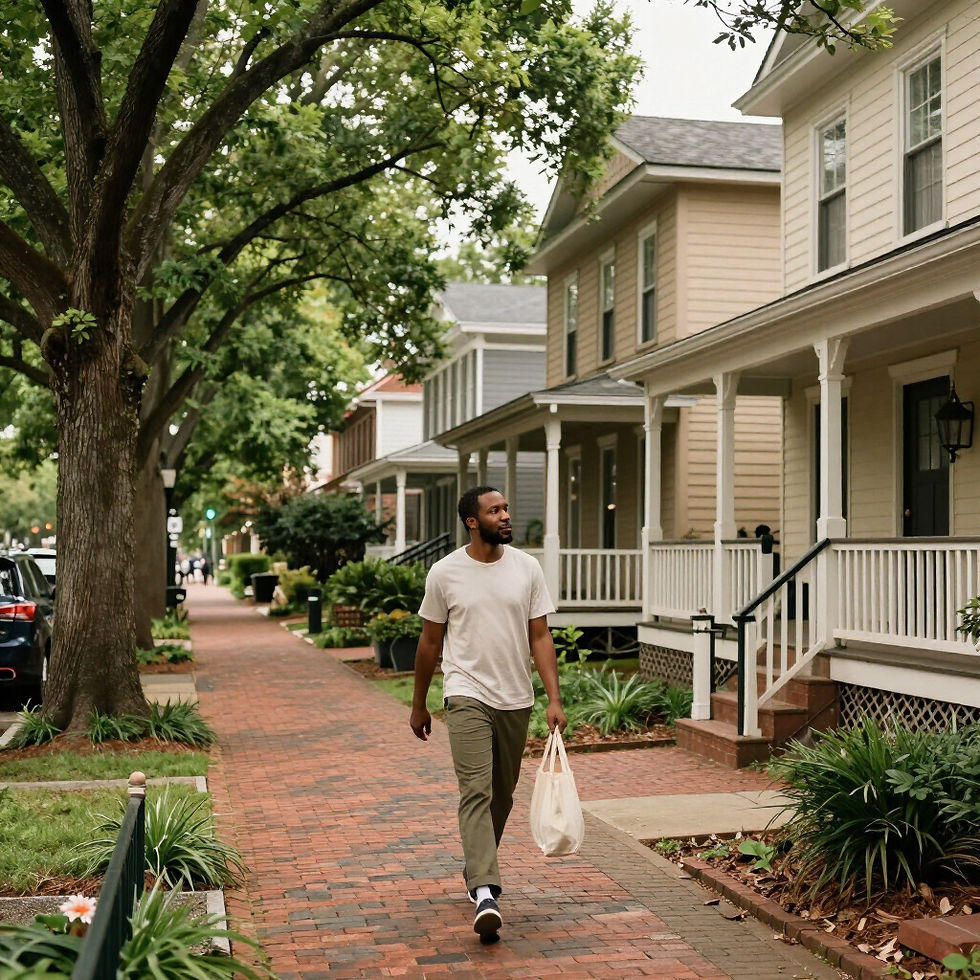
English Avenue is a historically significant, 60-block neighborhood located in Northwest Atlanta, west of Georgia Tech and the downtown corridor. Established in 1891, it has evolved from a segregated white working-class district into an epicenter of the Civil Rights movement, a focal point for the drug trade, and currently, a target for massive revitalization

Hunter Hills
Hunter Hills is a neighborhood located west of downtown Atlanta, Georgia, United States. Its motto, "One Community, One Family", has been its cornerstone since 2001. The neighborhood is encompassed in the 30314 zip code. Hunter Hills shares borders with Mozley Park, Dixie Hills, and West Lake neighborhoods
Ashview Heights
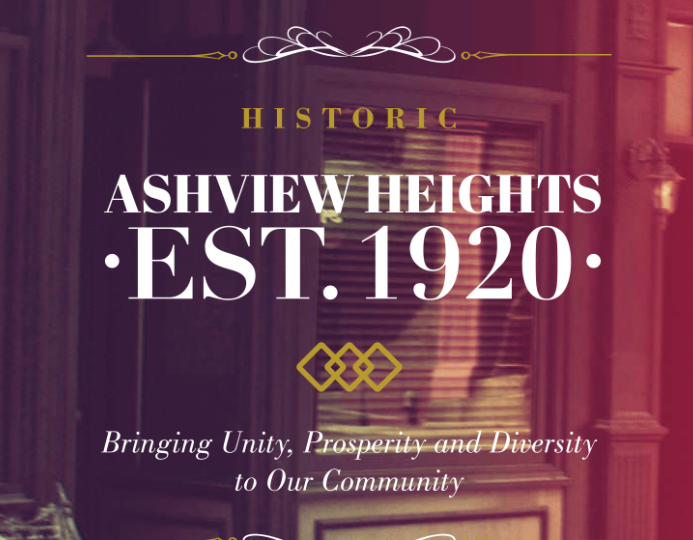
Ashview Heights is a historic intown neighborhood located in southwest Atlanta, Georgia, United States. Established in the 1920s, it was one of the first planned African-American middle-class communities in Atlanta
Neighborhood Spotlights
Explore the diverse and vibrant corners of our community, where every street holds a unique story and a warm welcome.

Vine City
Vine City, a historic neighborhood on Atlanta’s Westside, emerged as an African American cultural and economic hub in the early 20th century. Famous for being the home of Dr. Martin Luther King Jr., it served as a cradle of the Civil Rights

Bankhead
Bankhead is a neighborhood located west of downtown Atlanta, Georgia. It is surrounded by Grove Park to the west, Washington Park and Hunter Hills to the south

The Atlanta University Center Consortium (AUC Consortium)
Atlanta's West End is home to the Atlanta University Center, the hub of historically black colleges and universities, and the Hammond's House Museum.
Just Us
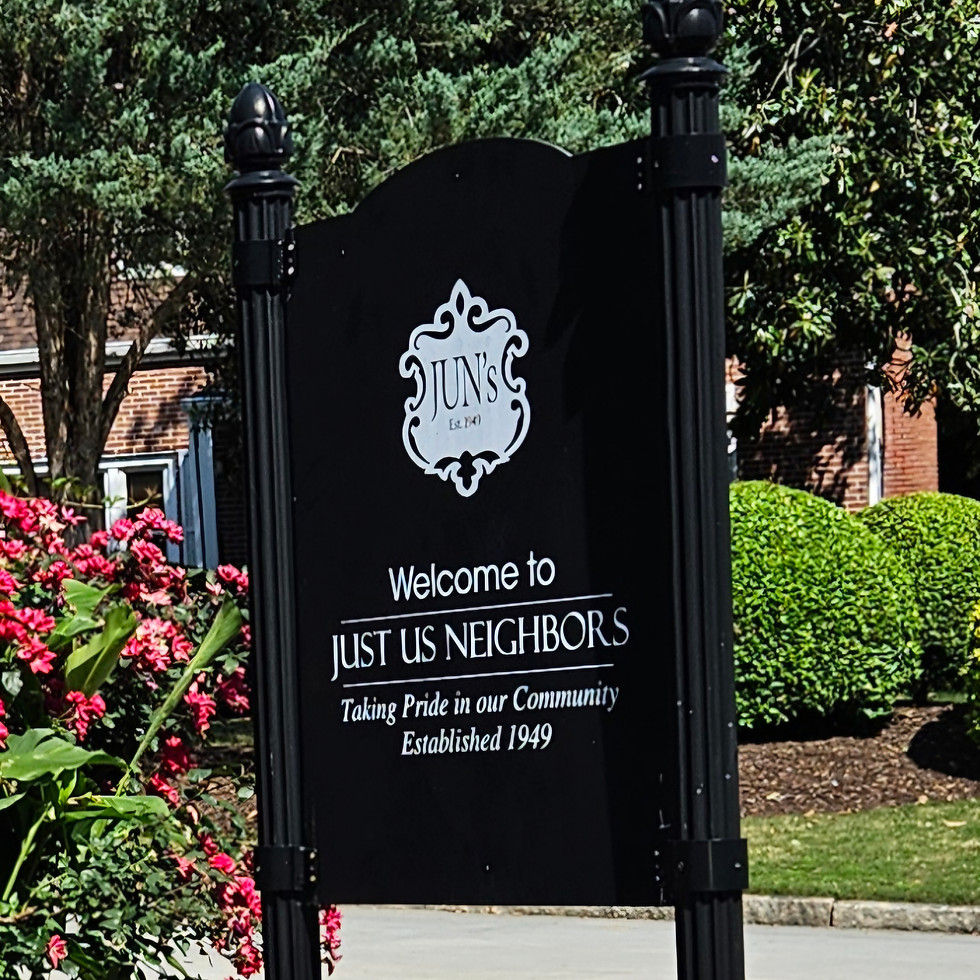
Just Us is the smallest of the official neighborhoods of Atlanta, consisting of only two streets. It began as the "Fountain Drive-Morris Brown Drive Community Club" in the late 1940s, and evolved into its present name today during the early 1950s

Washington Park
Washington Park is a historically significant, predominantly African-American neighborhood on Atlanta's Westside. Developed in the 1920s, it is notable for being the city's first planned Black suburb. Located just two miles from Downtown and bordering the Atlanta BeltLine, the area offers a mix of historic homes and growing community amenities