Historic
Landmarks
Neighborhood Focus & Heritage

First St. Mark's AME
491 James P Brawley Dr NW
About These Landmarks
The historic landmarks of the Atlanta Westside stand as living chronicles of resilience, culture, and community spirit. These sites are not just structures; they are the heart of our shared heritage, preserved for future generations to learn from and enjoy.
Cultural Preservation
Discover the recurring motifs of artistic expression and architectural significance that define our local identity. Every stone and mural tells a story of the people who built this neighborhood block by block.
Community Impact
Learn how these historic sites continue to foster local engagement and economic opportunity today. Explore guided tours and community events that celebrate our legacy while looking toward a brighter future.
Featured Historic Sites
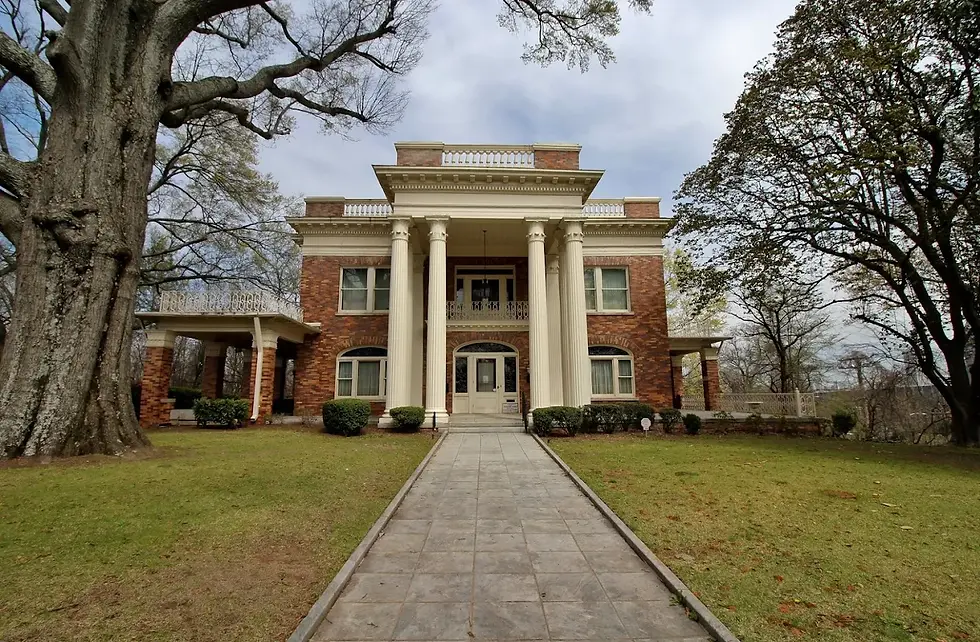






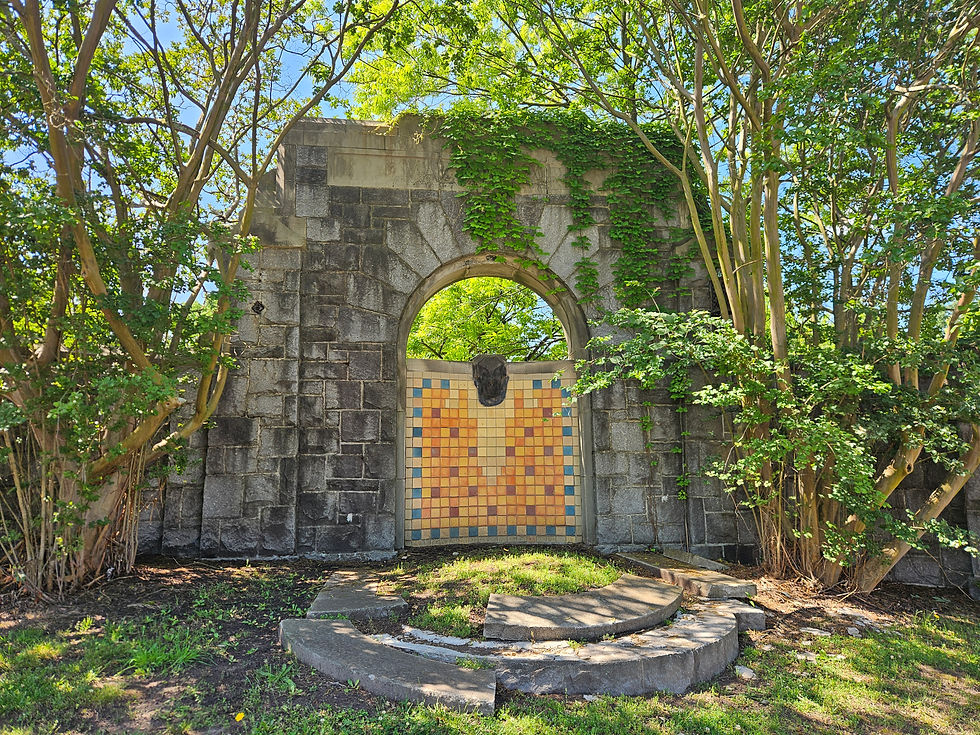
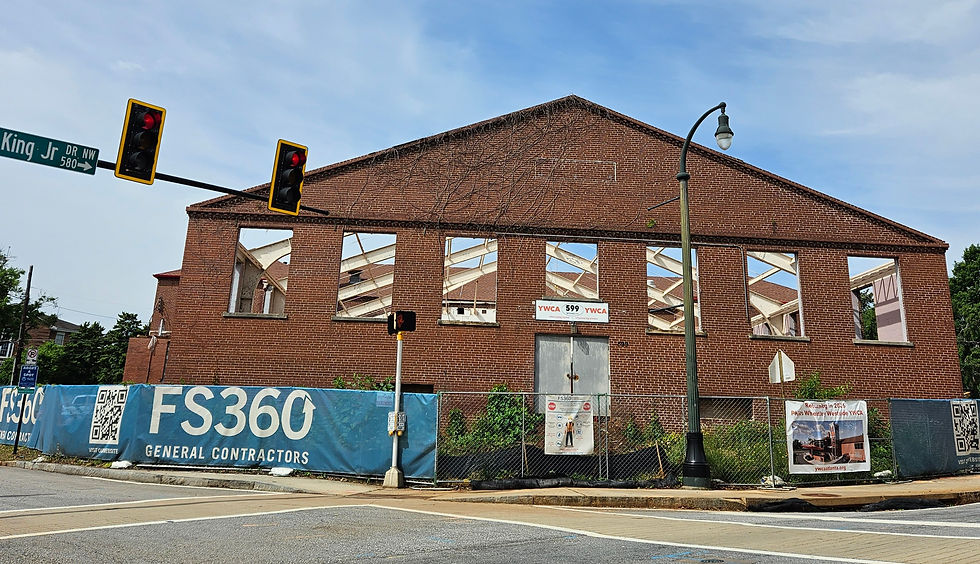

Former Home of Tiger Flowers
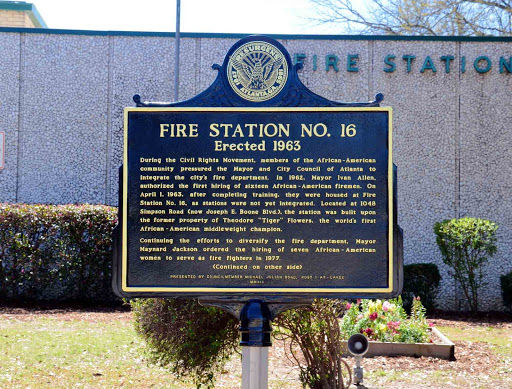
Theodore “Tiger” Flowers was the first African American Middleweight Boxing Champion. He was an important figure in the community of his era and was an active member of the Prince Hall Masons. His mansion was one of the most luxurious in the city but was demolished in 1961. The ground that this mansion once stood on would become the location of Station 16, which was opened April 1, 1963, and where the first 16 African American Firefighters for the City of Atlanta served.


Warren Memorial United Methodist
Warren Memorial United Methodist Church is one of Atlanta’s historic African American congregations. It gained prominence as a pivotal community and Civil Rights hub, notably hosting Dr. Martin Luther King Jr. during the 1961 student desegregation protests
More Historic Sites
Explore even more chapters of the Atlanta Westside's rich and diverse story through these additional landmarks and cultural treasures.

West Hunter Baptist Church
Reverend Bryant purchased the land on 775 Hunter Street, N.W. where the second church stood. The name of the church was changed to West Hunter Street Baptist Church in anticipation of its new location which in later years became “the spiritual workplace of the civil rights movement.

.jpg)
.jpg)

The church was organized in 1878 following a revival that was held at Gammage Crossing on Lee Street.
The church was a mission for Trinity Methodist whose membership rolls included many who lived at West End. The church’s history (found at the link I’ve placed in the first comment) states Park Street Methodist was the first to organize at West End, and the first to have its own building. The building shown here was completed in 1884.
Park Street Methodist
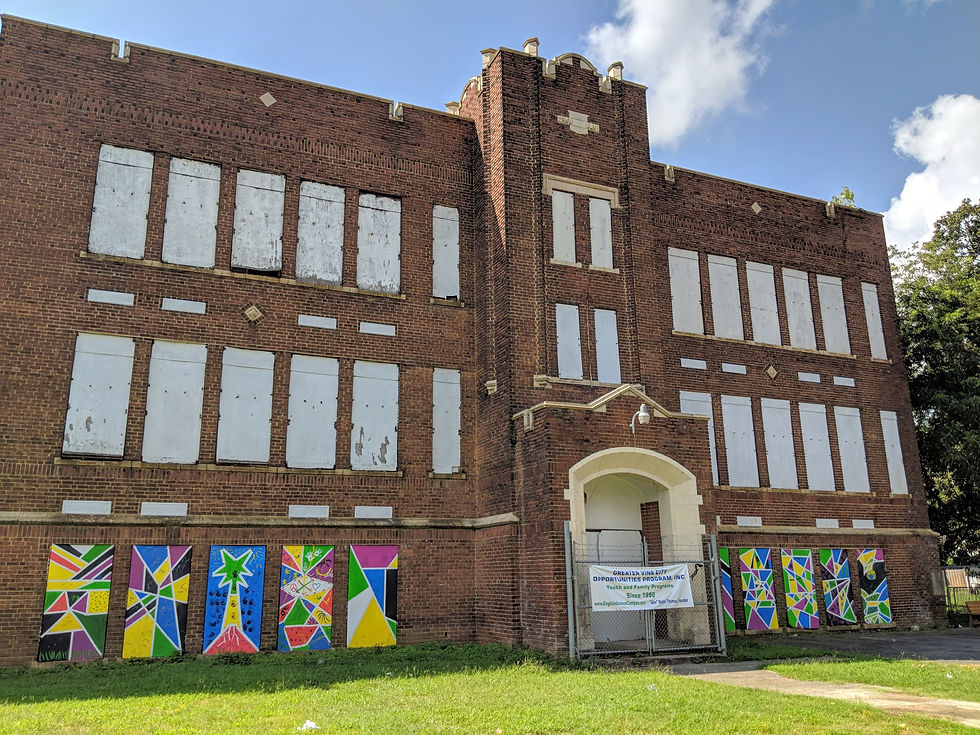
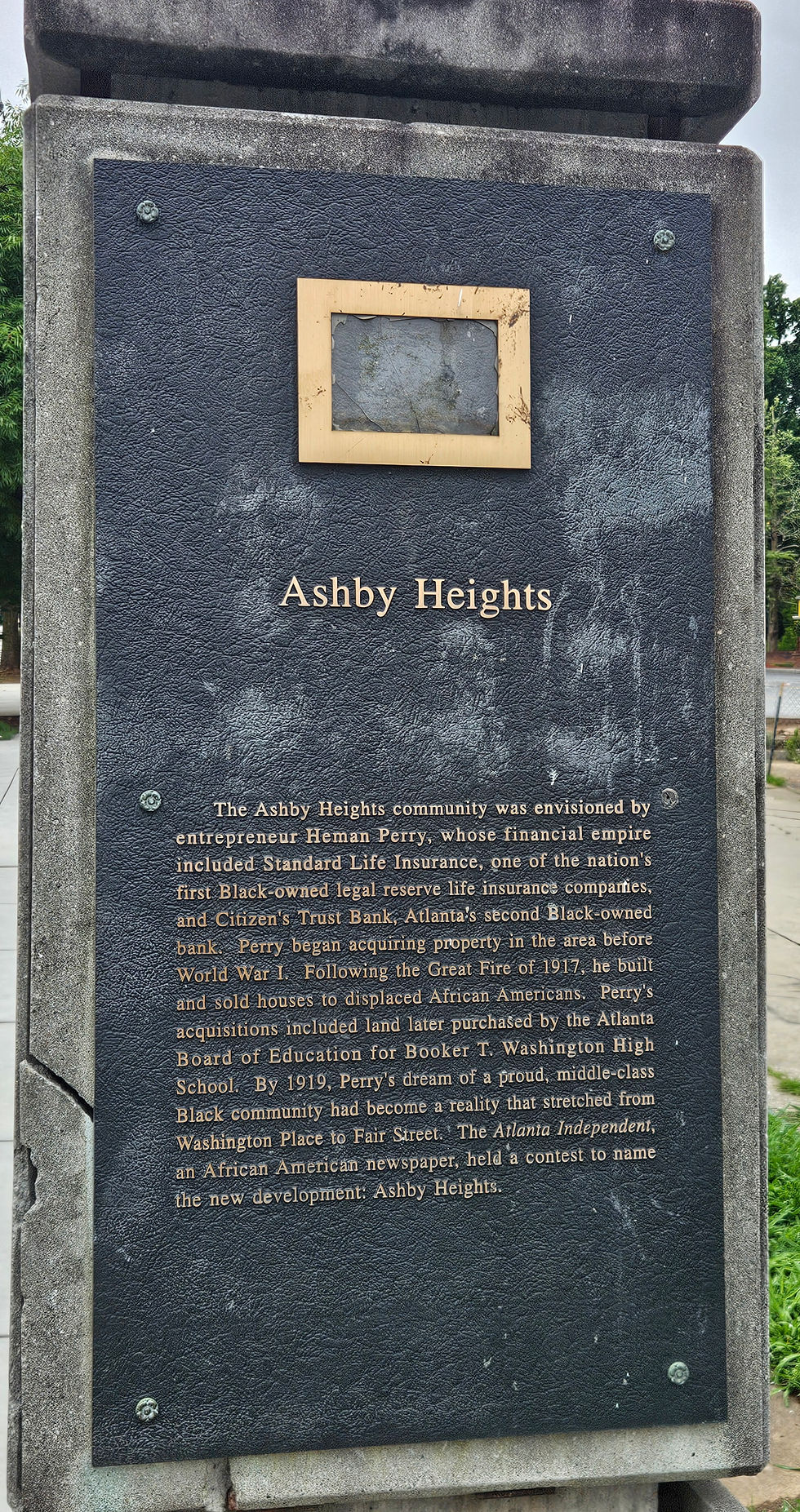
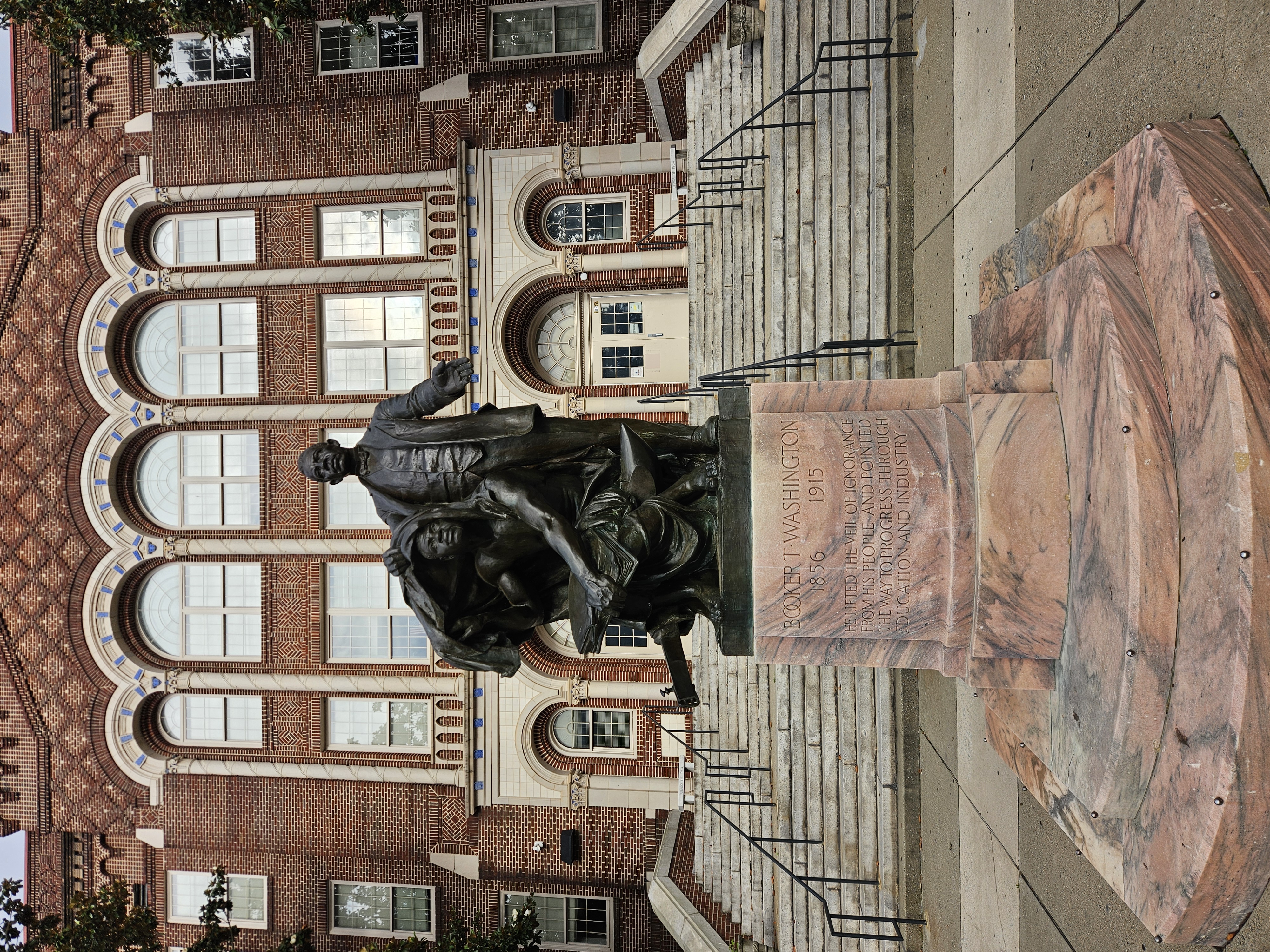
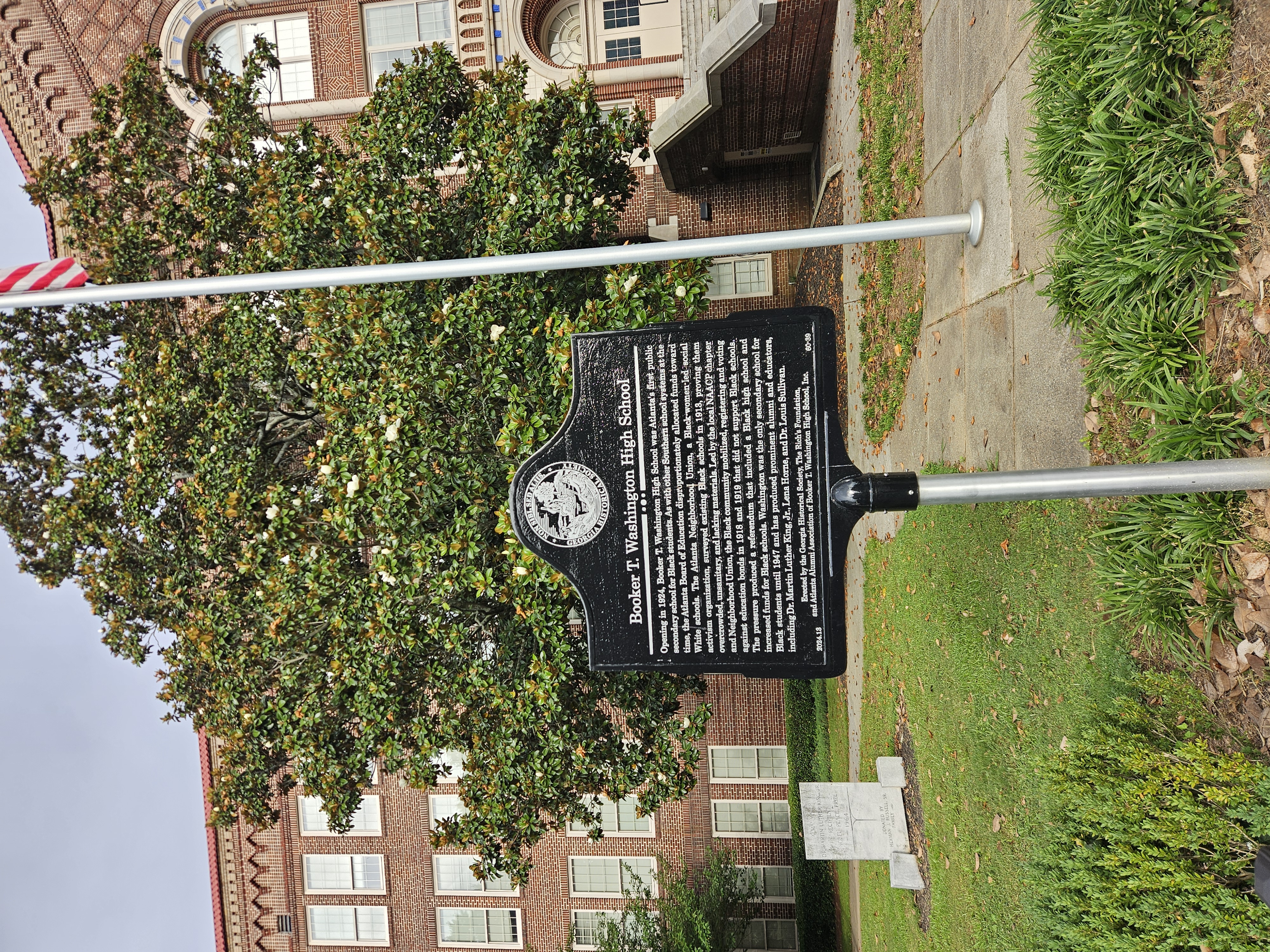
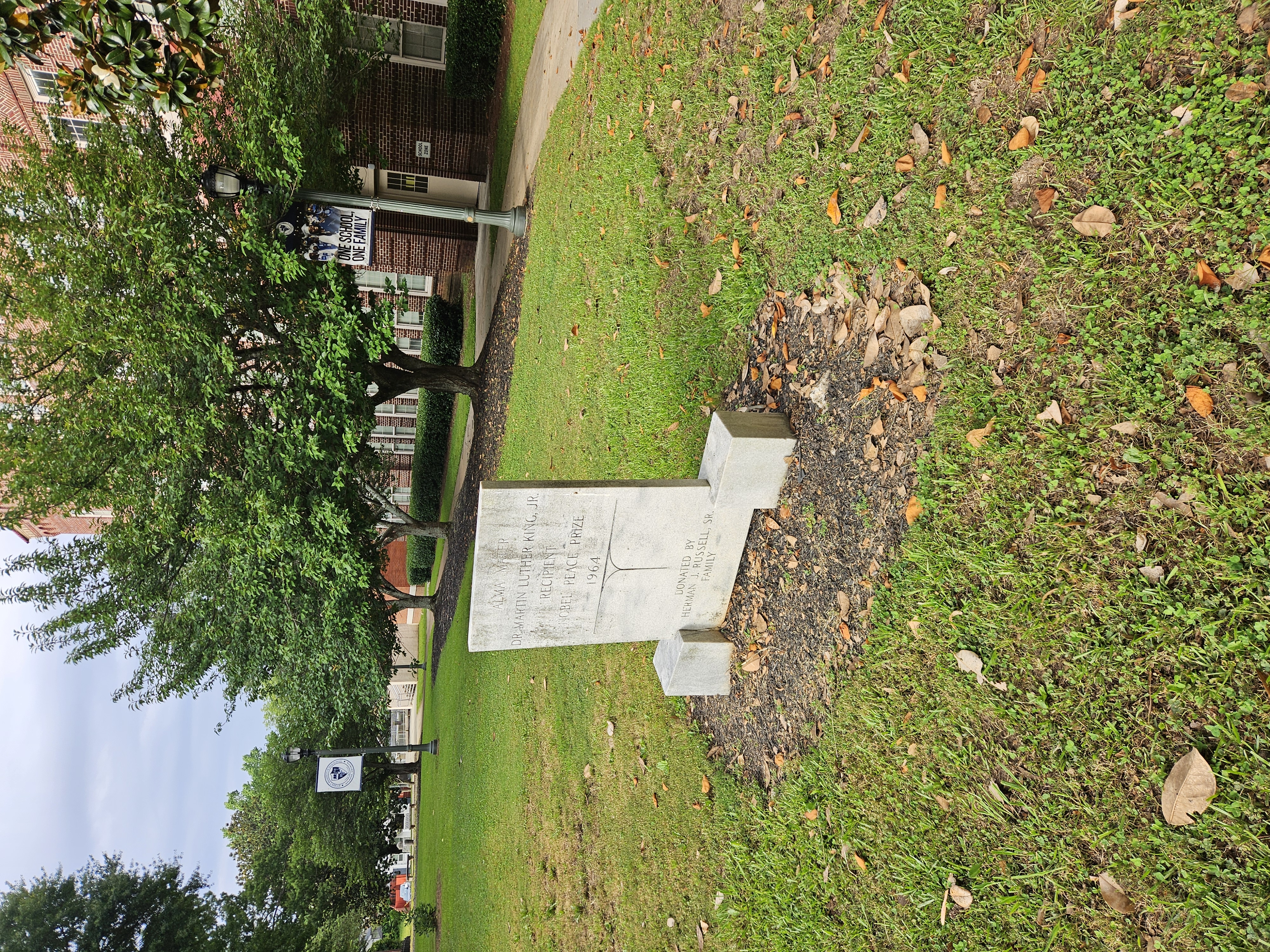
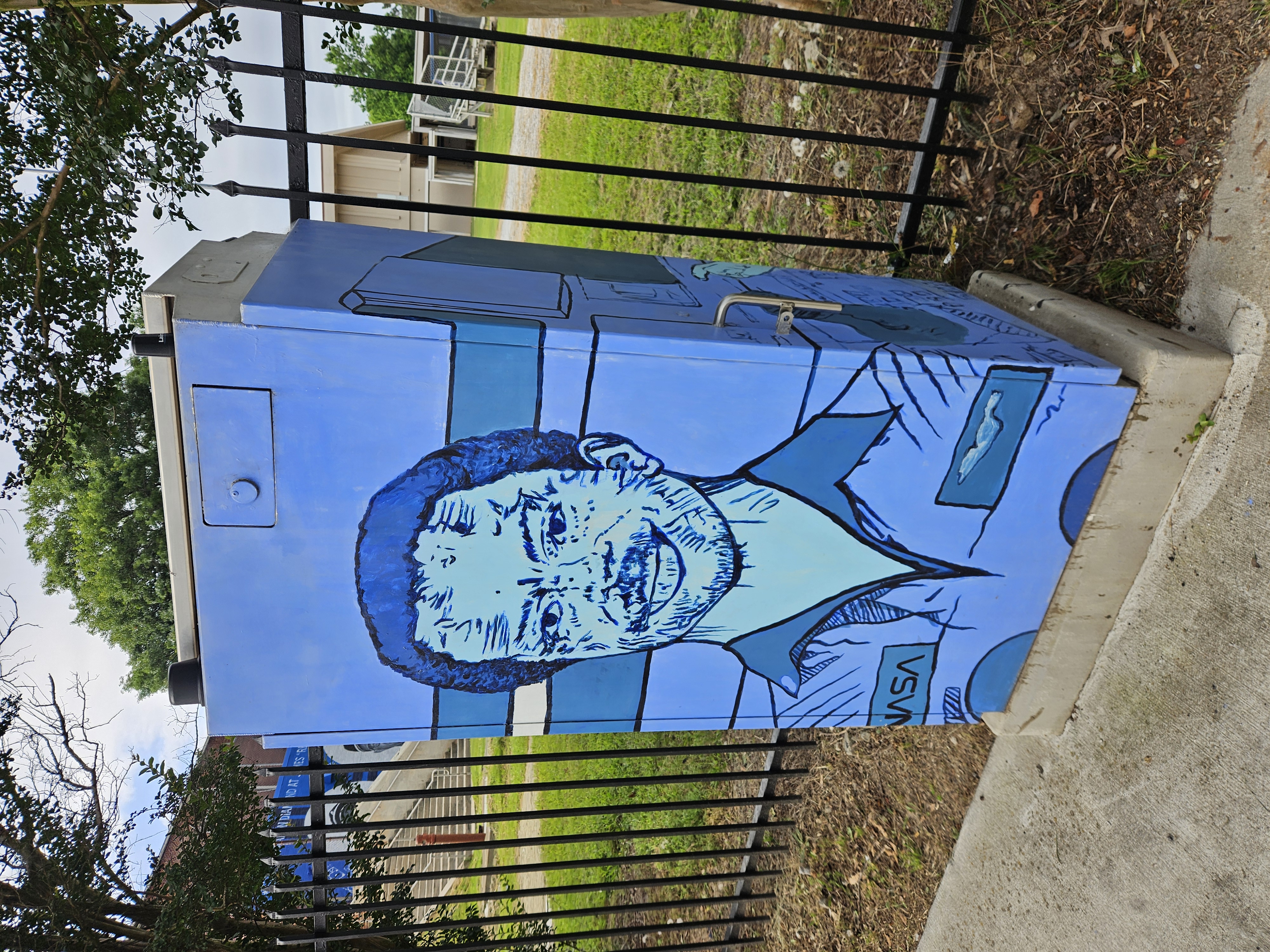
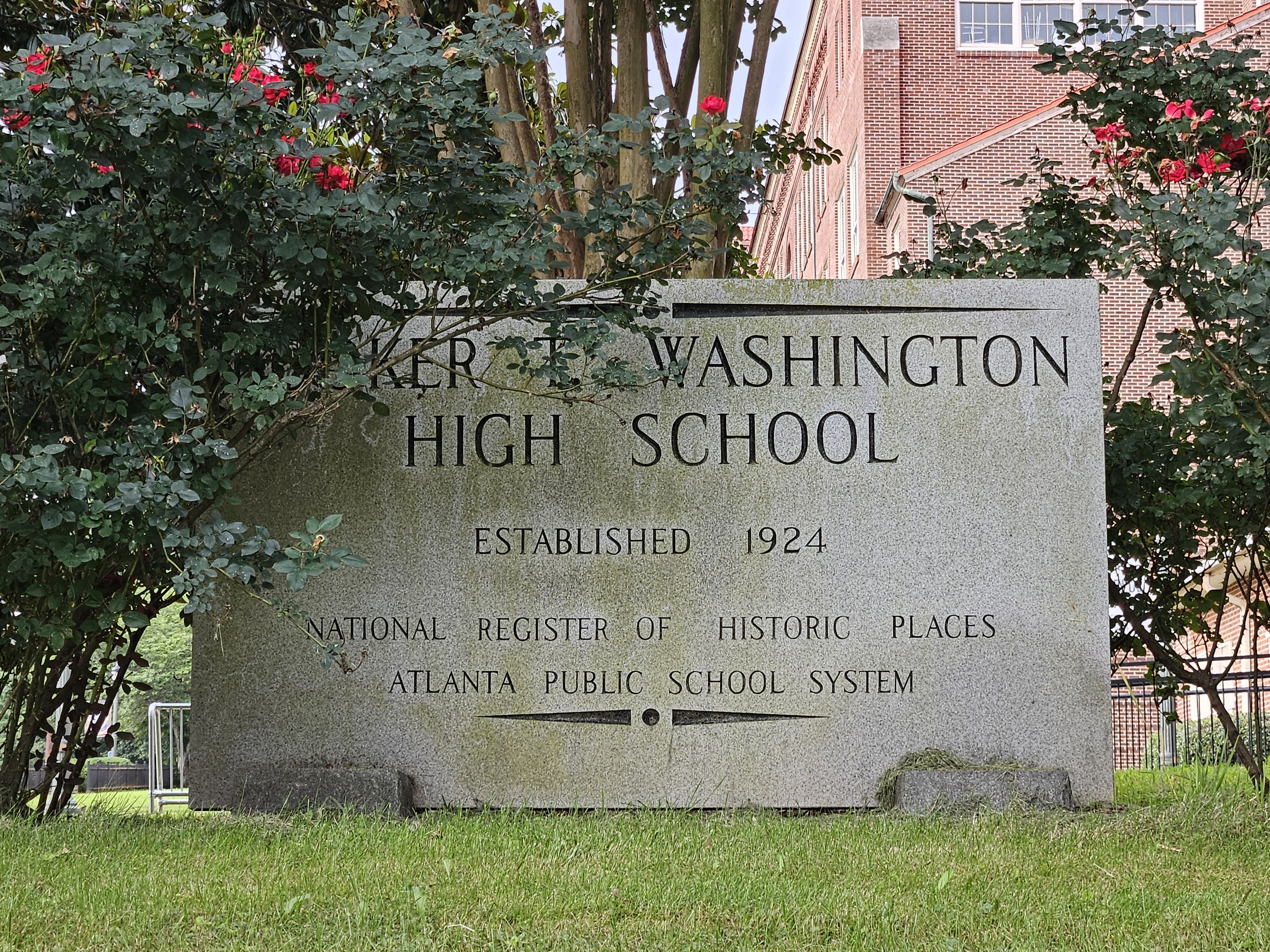
Booker T. Washington
High School


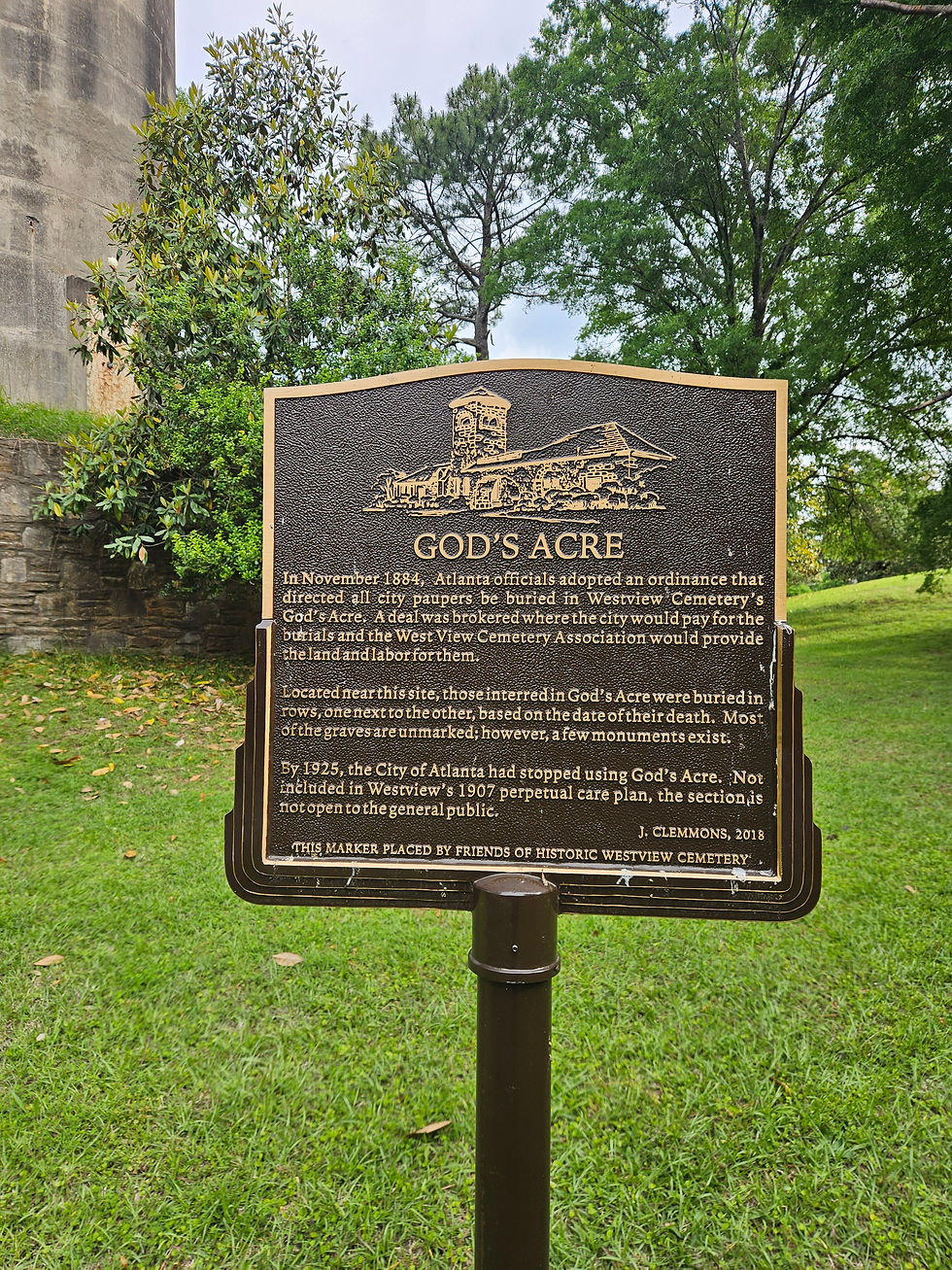
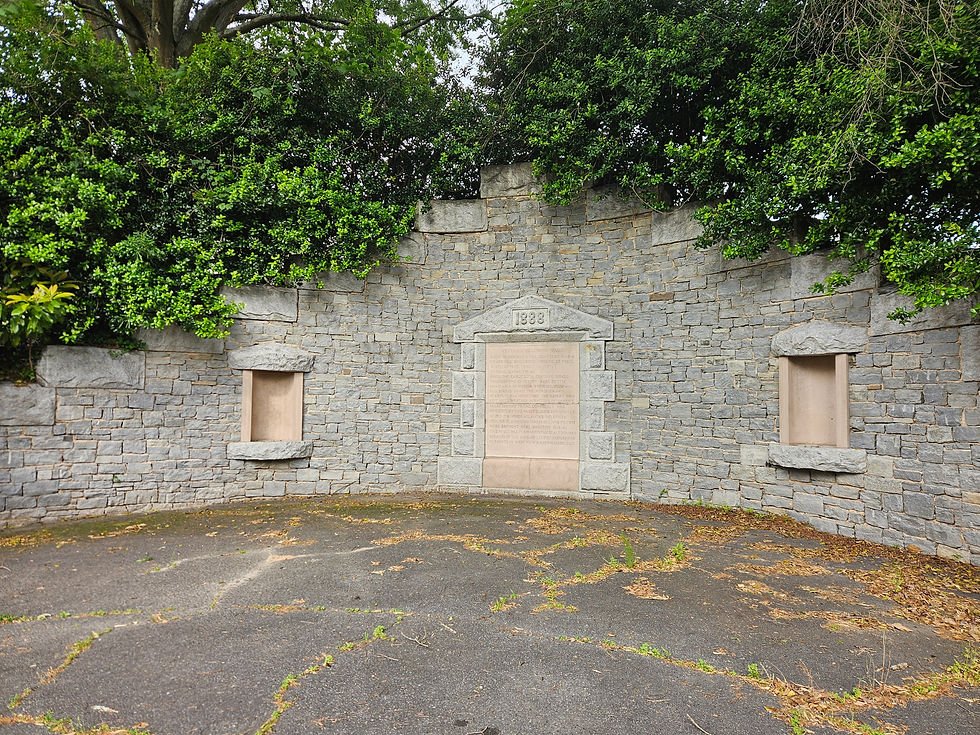
Westview Cemetery: A Legacy

Established in 1884, Westview Cemetery is the largest civilian cemetery in the Southeastern United States. A cornerstone of Atlanta’s Westside history, it serves as the final resting place for many of the city’s most influential figures. Its stunning Romanesque architecture and sprawling landscapes make it a profound site of cultural and historical significance.